
March/April 2026 Vol. 64 No. 2
The Audience-Led Awakening: How the IRC Reimagined Mass Market Fundraising

Last year was difficult for many in the nonprofit sector. For us at the International Rescue Committee (IRC), it was the ultimate stress test. We were operating in a climate defined by volatility. We faced the kind of challenges that keep fundraisers awake at 3 a.m.: federal funding freezes, budget cuts and a difficult round of layoffs that led us to say goodbye to talented colleagues on our mass marketing team.
In the face of these headwinds, the temptation is often to batten down the hatches and wait for the storm to pass. However, we knew we couldn’t rely on reactive, ad hoc responses to navigate the crisis. We didn’t just need to do more with less; we needed to be fundamentally different. That realization led us to accelerate the final stage of a multi-year journey: a full-scale reorganization, moving away from a channel-led structure to one that is now fully audience-led.
The Long Game: Why We Piloted Before We Pivoted
While the restructuring was finalized in response to the pressures of 2025, it was far from a crisis response drafted on a napkin. This vision has been several years in the making. We recognized early on that the traditional nonprofit model — where direct mail, digital and telemarketing teams operate in silos — was increasingly out of step with how donors actually behave. A donor doesn’t see themselves as a direct mail donor; they see themselves as an IRC supporter.
We were also seeing an increasing number of gifts coming in through transaction channels that differed from our marketing channels. From October through December 2025, fully 30% of our mass marketing revenue came in via donor-advised funds and individual retirement account (IRA) distributions. It made sense to link these gifts back to our marketing spend whenever possible and incentivize fundraisers to promote these and other ways of giving across multiple touch points.
To prove the audience-led theory, we spent the past three years running pilots — first within our mid-level donor program and then our sustainer program. These high-value segments served as our internal laboratories. By breaking down the walls between channels for these specific groups — and giving these donors a true omnichannel, surround-sound experience — we saw sustained gains in retention and revenue per donor. These pilots provided the proof of concept required to convince leadership that an audience-led model wasn’t just a theoretical preference; it was a revenue driver.
The Foundation: Securing Buy-In
Once we decided that an audience-led program was our future, I reached out to several charities that had made or begun this transition. Similar to the wide variability among channel-led fundraising structures in nonprofits, I learned that every charity doing this took a different approach. That knowledge actually alleviated some of the pressure — we could build our program in a way that worked for us.
By far the biggest challenge was helping people and partners adopt an audience-led mindset and understand what it would mean for them and their programs. It’s a major change — and for some, a very challenging one.
For the mass marketing team itself, accountability for meeting revenue targets for retention audiences shifted from the channel leads to the audience leads. Some members of the team chafed at being channel experts when they were losing revenue accountability. And our ways of working had to adapt, necessitating the development of a new responsible, accountable, consulted, informed (RACI) matrix — and ultimately, an entirely new program structure.
The change also led to shifts with our agency partners. These shifts added tremendous value and capability but also placed stress on our outstanding current partners, some of whom had to abandon pieces of programs they had led with us for years. A budget-challenged environment added an additional layer of stress.
For our internal partners, the shift requires supporting the program differently. For example, for next year’s budget and in partnership with finance, we will take a step toward budgeting revenue and expenses by audience instead of channel. I expect it to be more of an incremental rather than wholesale change. How do we efficiently split direct mail expenses across audiences for versioned pieces? How do we classify donor-advised fund gifts that can’t be matched back to existing donors; put them under acquisition? Similarly, our analytics partners have had to transition our reports to match our focus on audiences. And they’ve begun a major initiative, in partnership with us, to take our marketing attribution practices to the next level.
Setting the Reorganization Goals
When we finally drafted the blueprint for the full department restructure late last summer, we anchored ourselves to four non-negotiable goals:
- Preserve revenue: We aimed to maintain our revenue levels with only three-quarters of our previous staff.
- Right-size roles: We needed to ensure every person was in the right seat for our new reality.
- Create pathways for growth: We wanted to provide our remaining talent with clear trajectories for advancement.
- Transition to audience-led: We committed to moving away from siloed channel thinking (direct mail vs. digital) and toward a model where every audience segment has a dedicated lead.
Finding Strength Within
The reorganization resulted in eight scope changes, including three entirely new roles. Now every audience segment — acquisition, core, bridge, mid-level and sustainer — has a dedicated lead championing their experience. It also led to the creation of a new in-house production and operations team, one that will work with the audience leads and agency partners on campaign execution, data selection, budgeting and more.
One of the most rewarding parts of this journey has been discovering the untapped potential within our own walls.
For example, a coordinator on our team who previously worked on fundraising for our domestic programs took on training for email and SMS following the layoffs. She didn’t just pick up the slack; she thrived. Within weeks, she identified this as her permanent career path. We shifted her remit to focus 75% on these digital tools, resulting in a well-deserved major career leap. This is the hidden return on investment of a restructure: finding the superstars able to grow beyond their siloed job descriptions. This is what happens when you prioritize talent development alongside structural change.
Results That Speak Volumes
Changing the tires while the car is moving is never easy, but the early results have been profound. While the lagging indicator of revenue is our ultimate North Star, it’s the leading indicators that reveal the true health of a program. And across audiences, we are seeing sustained improvement in revenue per donor fueled by increasing average gifts, upgrades, gift frequency and donor retention. These improving metrics, along with a market environment that helped the entire sector, powered a first quarter (Oct. 1 to Dec. 31, 2025) that saw an 11% year-over-year revenue increase. And this came despite our cutting direct mail acquisition and reducing the volume of many retention mailings to help the organization make it through the budget crisis.
But beyond the numbers, the ongoing shift in our internal culture has been encouraging. We’ve moved past the stage where staff members were worried about what they were losing. Now, the team is focused on what’s next. The silos that once existed between the mass-market team and our philanthropy colleagues have been broken down. We are now collaborating on deeper analytics for mid-level donor qualification and exploring how to move donors across the pipeline based on what works best for them — not on what looks best on our departmental spreadsheets.
Lessons for the Road Ahead
Earlier this year, I was on a road show socializing our new approach and structure with many of our partner teams, from fundraising operations to communications. Investing time in these partners is essential. When they understand the vision — and more importantly, when they both understand and feel appreciated for their critical role in our success — it changes the energy of the organization.
My advice to my fellow DMAW members is simple: Don’t fear the reorganization. Use your data to listen to your donors and serve them better; look for the superstars already on your team and give them a chance to grow; and never underestimate the power of strong partnerships with colleagues inside and outside your organization. Transitions are never easy and perfect; we are human after all. But with a shift in both strategy and structure, and an approach that seeks to blend a new vision with a foundation of strong partnerships, you can give yourself the best odds of success, even in the midst of a challenging period.
Geoff Handy is the head of mass market revenue for North America at the International Rescue Committee (IRC). With decades of experience in the nonprofit sector, he is a frequent speaker on fundraising strategies and organizational transformation.
PRESIDENT’S PERSPECTIVE
Spring Is in the Air
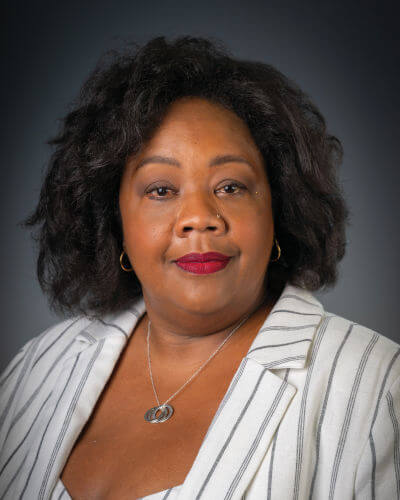
It’s spring! After the brutally cold weather we experienced across so much of the country, I look forward to the lengthening days, warmer temperatures and the scent of cherry blossoms and wisteria in the air.
I’m also looking forward to DMAW programming! Sustainer Day is behind us, along with the Nonprofit Fundraisers Symposium. I hope many of you were able to take advantage of the strong presentations and discover new ways to approach your fundraising programs.
As we continue through spring, DMAW has three additional events to catch your attention. First up is Production Day on April 16. The best and brightest in production will lead you through every stage of the process — from data to delivery. You will get an exclusive, behind-the-scenes look at what it takes to get your mail from concept to delivery in your donors’ and supporters’ mailboxes. Production Day caters to marketers at all stages of their careers, and we’re excited to present it again this year.
Hand in hand with production is Creative Day, which will be held on May 12. This is your chance to hear from some of the nonprofit industry’s leading experts, with interactive sessions that focus on purpose-driven lessons from our colleagues in the for-profit sector. If you’re looking to inject some new and exciting techniques into your creative approach, come spend the day with us!
And we welcome you to join us for a Day of Service on April 24. The YDMAW will be hosting this event during National Volunteer Appreciation Week. Our nonprofit sector thrives on the participation of those who give their time and energy to advance our work.
Whether it is higher education, healthcare, arts and culture, environmental causes, animal welfare, public broadcasting or human services, we appreciate every one of you. We cannot accomplish our ambitious goals without the herculean efforts from those who freely give their time. We thank you and appreciate you!
Joanne Wilson jwilson@humaneworld.org
Welcome to Our Newest Members
Nonprofit
City of Bowie, Maryland
Conservation International
Environmental Working Group
First Book
Girl Scouts Nation’s Capital
National Active and Retired
Federal Employees
Association (NARFE)
United Service Organizations
Corporate
Delve Deeper
Path2Response
Individual Nonprofit
Peter Blakely, PWB Inc.
Quentin Butcher, Vietnam Veterans of America
Renee Clark, Southern
Environmental Law Center
Sarah Mae Dizon, SELC
Brandy Foote, The Hole in the Wall
Gang Camp
Andrew Jackson, Southern Environmental Law Center
Moises N. Jaques, Bible League
International
Cheryl Lovinsky, National Chamber Ensemble
Kayleigh Murdock, Animal Welfare Institute
Geoffrey Peters, Northern Sonoma County Community Emergency Response Team Inc.
Alex Ramey, Institute for Justice
Kristen Sibori, Institute for Justice
Individual Corporate
Nick Black, GoodUnited
Gavin Caster, Telefund
Patti DeBow, PTKO
Bruce Duesterhoeft, Next
Generation Fundraising
Alicia Lifrak, Dragonfly Collective Agency
Brian Whitelock, Beyond Direct
Young Professional Corporate
William Cawthra, K2D Strategies
Marina Gingras, Columbian Advertising
Josie Weck, K2D Strategies
Hannah Zegarra, Mosaic
Committee Spotlight
Get to know the people behind the scenes powering our industry’s top events and programs, and how you too can get involved.
Building Momentum: Membership Growth and Retention in 2026
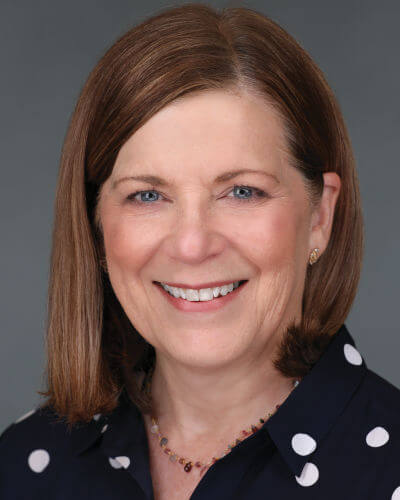
As DMAW continues to grow, the membership committee is prioritizing intentional outreach, stronger engagement and data-informed strategy to ensure nonprofit professionals see clear and lasting value in membership.
To build a more connected, supportive community, the membership committee’s top impact goals for 2026 are to:
- Increase nonprofit membership by 15% compared to 2025.
- Implement enhanced onboarding for new members and re-engagement strategies for lapsed members, aiming for at least a 70% first-year retention rate and a 25% reinstatement among lapsed members.
- Identify why nonprofit organizations join professional associations and what challenges they face by using member surveys and interviews to gather actionable data.
In 2026, the membership and marketing committees will implement joint, targeted campaigns to attract nonprofit organizations, emphasizing opportunities to connect, grow and lead in direct marketing and fundraising. Quarterly reviews will assess campaign effectiveness and guide adjustments.
Enhanced onboarding processes will feature personalized touch points from the membership committee and board members during the first year, highlighting professional development, networking and educational programs. Similar touch points will also be used to re-engage lapsed members.
The committee will collaborate with the strategic planning committee to analyze the motivations, needs and challenges of nonprofit organizations in direct marketing and fundraising. Insights from this collaboration will inform future membership initiatives and help clarify the value proposition for DMAW membership.
The DMAW 2026 membership committee is made up of a blend of board members and volunteers. This year, I am co-chair, along with Myles King of the American Kidney Fund.
Mary Beth Healy started working in the direct marketing industry straight out of college as an account executive at Wiland. With more than 30 years of experience, she has worked on both the agency/supplier side and the nonprofit side, giving her a full 360-degree view of the significant impact direct marketing embodies for nonprofits. Now retired and working as a nonprofit consultant and DMAW board member, her attention is even more focused on helping nonprofits achieve success with their direct marketing and fundraising campaigns. Reach Mary Beth at nittany81@gmail.com.
How I Got Here
DMAW members reflect on their starts that shaped their career paths to today
While direct marketing and nonprofit management are now growing fields of study at colleges and universities, many of us took meandering routes to get here. Over the years, I have heard countless stories from DMAW members whose areas of study have been vast. Our newest Direct Impact column, “How I Got Here,” showcases our members’ backgrounds. Enjoy the next installment, featuring Lisa French and Katie Tamaro — and contact us at comms@dmaw.org if you’d like to be featured.
Joanne Wilson is the vice president of advancement operations at Humane World for Animals and DMAW board vice president.

Community Leader
Delve Deeper
I graduated with degrees in political science and economics. I had several extracurriculars: student government, president of Evans Scholars fraternity and high-level involvement with the President’s Leadership Class (PLC) scholarship program. I was hired out of college by a PLC colleague who had graduated two years prior and joined Wiland & Associates, a computer service bureau in the direct marketing industry. Over the past 40-plus years, I’ve been given opportunities that have formed me as a person and as a professional.
In the early days of my career, I transferred back and forth between Colorado and Virginia five different times in five years, twice on two weeks’ notice and once on 72-hours’ notice. My flexibility and willingness to relocate dramatically changed my career trajectory. Key career moves included working at Saturn Corp. to further develop my data and database management skills; Shop2u, a dot-com startup in the email marketing space; the agency side at Merkle, to expand my data and analytics skills [and] Barton Cotton/CDR Fundraising Group and Russ Reid [where] I added knowledge of digital marketing, face-to-face marketing and DRTV. But after 15 years in the agency world, I returned to Wiland.
Another highlight is my involvement with the DMAW, DMA/ANA Nonprofit Federation and The Nonprofit Alliance. Believe it or not, my first involvement with any of the industry groups was volunteering on the DMAW annual golf outing committee in 1985. That grew to involvement with the membership and sponsorship committees, conference planning committees, positions on advisory councils, government affairs committees and ultimately serving on boards. Serving on the DMAW board [over] the past nine years and leading as president of our association during the height of COVID provided such a rewarding experience.
One final note — I met my wife Mary through DMAW in the late 1980s. We’ve been married for almost 33 years and are looking forward to our next chapter.
I’ve been blessed to work with so many talented people as co-workers, partners and customers in an environment that emphasizes kindness, sharing of ideas and experiences, and overall teamwork and collaboration — and our work with nonprofit organizations is making a difference around the world.

Founder
Brenna Holmes Advisory Consulting
My journey to direct marketing didn’t follow a straight line; it was a path paved with curiosity and an unexpected fascination with systems-level change.
I grew up in Napa, California, working in French restaurants and curating vacations for travelers at the boutique inn I managed. Long before I ever looked at a digital conversion rate, I learned the art of hospitality. I realized that whether you are pouring a Cabernet or drafting a fundraising appeal, you are essentially telling a story and inviting someone to be a part of it.
I moved east to [attend] Syracuse University for my master’s in public relations, originally planning to return to California to lobby for wine industry reform. However, I found myself drawn to the mechanics of how digital systems evolve. I realized I didn’t just want to tell stories; I wanted to build the engines that move them forward.
This led me to Washington, D.C., and eventually to CCAH, where I built the digital department and became a partner. Leading digital and mobile teams was a masterclass in multichannel integration — learning how to translate a complex mission into bold actions that moved the needle.
Eventually, my “pattern-spotter” brain craved a new challenge. I saw too many leaders getting stuck due to silos or outdated systems. Today, as the founder of Brenna Holmes Advisory Consulting, I work as a catalyst for teams, helping them navigate complexity and lead with intention. My biggest lesson? Curiosity is a superpower. Our industry’s future depends on our ability to merge technology with humanity.
Sharing the Power of Digital Advocacy Equals More Giving

In a digital-first world, advocacy and fundraising are two sides of the same strategy to activate and ladder up. Both complete a holistic cycle of motivation and engagement. When supporters donate, those donations provide the resources to sustain and scale campaigns. Advocacy campaigns create the impact donors want to support. Both are integral and essential to each other.
Most donors, though, need to see that cycle at work more and understand how they are a part of it. An occasional petition form after a fundraiser does not cut it anymore — not when inbox competition and placement are getting tougher, and algorithms are constantly refreshing content feeds. Tying advocacy and fundraising together must be a persistent strategy so donors routinely see and feel what your organization is doing week to week and month to month to make their support count.
Because no two organizations are alike in terms of their advocacy campaigning, infrastructure or resourcing, the key question is this: What does your organization stand for and what is it showing when you’re not asking for money? Debriefing legislative wins, as well as visualizing annual impact statements, video stories and testimonials, field and program reports, live and virtual events, and free distributable resources and informational guides are some organizational offerings and tactics that do this advocacy show and tell. The effort it takes to investigate and survey these resources within your organization is worthwhile.
Seeing is believing for fundraisers, so here’s a real example. Last December, just before the onslaught of year-end, we did a New Year’s campaign featuring resolutions from Sierra Club chapter directors. The main ask: “Share your resolution with us.” This campaign raised $18,000, cementing itself within the top tier of our fundraising campaigns that year. These results surprised us, but in hindsight, this campaign provided a real window into the vast network of people who lead our mission and how they were planning for the year ahead. It focused on real voices, real people and how they wanted to make change. There was no “first, then, now” formula, no three times match, no breaking news or threatening urgency — just bringing folks closer to what our work is and who does it.
An elephant to address: Making room for more advocacy-only content is not something most are given the flexibility to explore. I see you, digital teams, monitoring your day-to-day cashflow. Yet measuring success beyond the returns of direct fundraising means you’ll develop a broader intuition of what your membership and file want next and how to best prime them. Engagement metrics give us those clues. Are your clicks stagnating? Are unsubscribes ticking up? Are average gifts lagging? Time to try less asking and more showing before exhausting your file further. Then watch closely for any fundraising key-performance-indicator movements pre- and post-cultivation efforts.
Getting to a place where digital advocacy and digital fundraising strategy both lead and inform each other — at their core — is also about good teamwork. You should be able to internally power map the advocacy cheerleaders and spokespeople of your organization, and then make dedicated time for them. I routinely bug my team with the guidance to be “like peas and carrots” with our communication, program, field and legal counterparts. They will be eager to know what raises money, what doesn’t and why, and how to better angle their action plans to deliver you more success to sing about. I guarantee your constituents will sense the authenticity and symbiotic nature of those working relationships.
It’s 2026. Many of us are roadmapping, rebudgeting and rethinking our own organizational resolutions for the year. Intentionally branding positive organizational outcomes and developing deeper relationships with digital donors and supporters is a core strategy to uplift. Are you offering your constituents a seat at the table with a full view of what’s happening in your organization? Invite them and involve them in new ways beyond the donate and add-your-name buttons. Your donors and supporters will show you thanks in return.
Kelly Holleran is the deputy chief of digital strategies at the Sierra Club. In this role, she leads both digital fundraising and advocacy teams to grow its digital membership and support the country’s largest network of grassroots environmental activists. Prior to the Sierra Club, Kelly served on several election campaigns for democrats and has worked with an array of organizations through marketing agencies and previous membership strategy roles. Reach her at kelly.holleran@sierraclub.org.
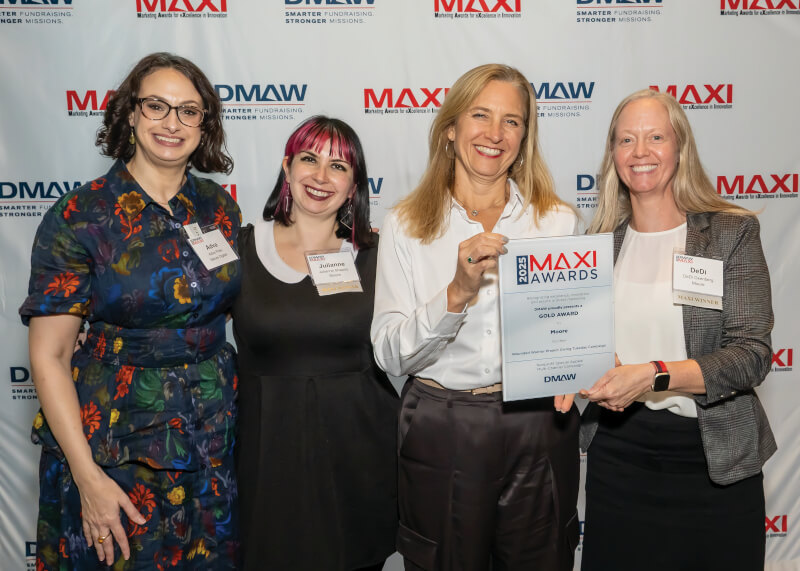
MAXI Corner: Gold Award Spotlights
This year’s MAXI Gold winners showcase how thoughtful strategy, disciplined testing and mission-driven creativity can deliver exceptional results. From reimagining donor acquisition and revitalizing lapsed supporters to leveraging cultural moments, match strategies and tangible impact to drive response, each of these campaigns demonstrates what’s possible when insight meets execution.
City of Hope — October 2024 Direct Mail Acquisition Campaign
City of Hope set out to solve a familiar acquisition challenge of improving both response rate and average gift — two metrics that rarely rise together. With an outdated list strategy and modeling approach, the team aimed to acquire new donors, reactivate deeply lapsed supporters and establish a new evergreen acquisition control.
The team launched a disciplined test that paired refined modeling and smarter list selections with a backend premium offer — a City of Hope mug tied to a minimum $15 donation. The new control package featured a vibrant outer envelope, personalized messaging and a dedicated insert reinforcing the premium, supported by refreshed modeling and new cooperative databases.
The campaign delivered a 70% year-over-year lift in response rate, a 7% increase in average gift and a 73% jump in gross revenue. While net revenue followed expected acquisition patterns, gains in donor quality and volume positioned City of Hope for long-term growth, earning MAXI Gold.
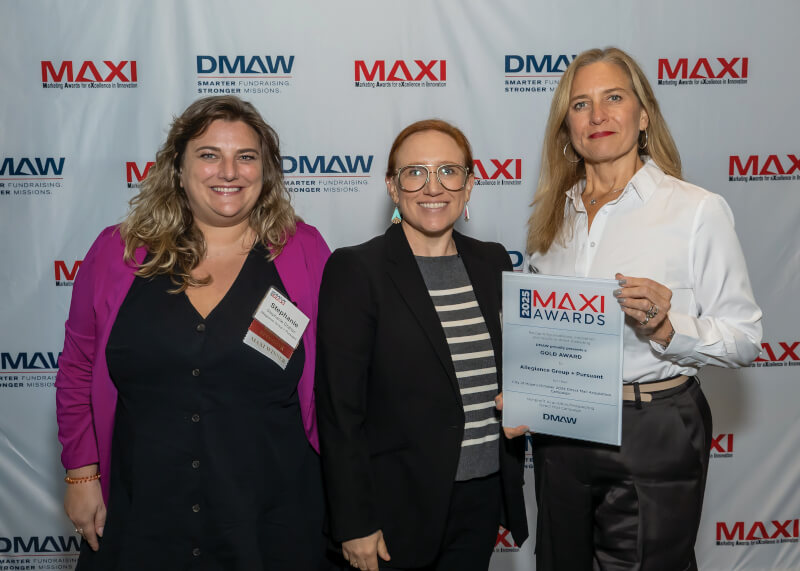
USA for UNFPA — Dignity Kit Acquisition Test
USA for UNFPA sought to reinvigorate a longtime acquisition control that had begun to see declining response. The goal was to refresh the program, bring in new donors and identify a stronger control package aligned with its mission to protect the dignity and health of women and girls worldwide.
The team centered the test around the UNFPA Dignity Kit, clearly illustrating how donors could make a tangible impact for as little as $15 — the cost of one kit. Messaging and visuals focused on real-world outcomes and urgency, with the test package mailed alongside the existing control for direct comparison.
Results were exceptional — twice the number of donors at less than one-third the cost per donor, and a 169% higher response rate than the prior year’s acquisition package. Statistically significant at a 99% confidence level, the test received MAXI Gold by demonstrating the power of mission-forward storytelling.
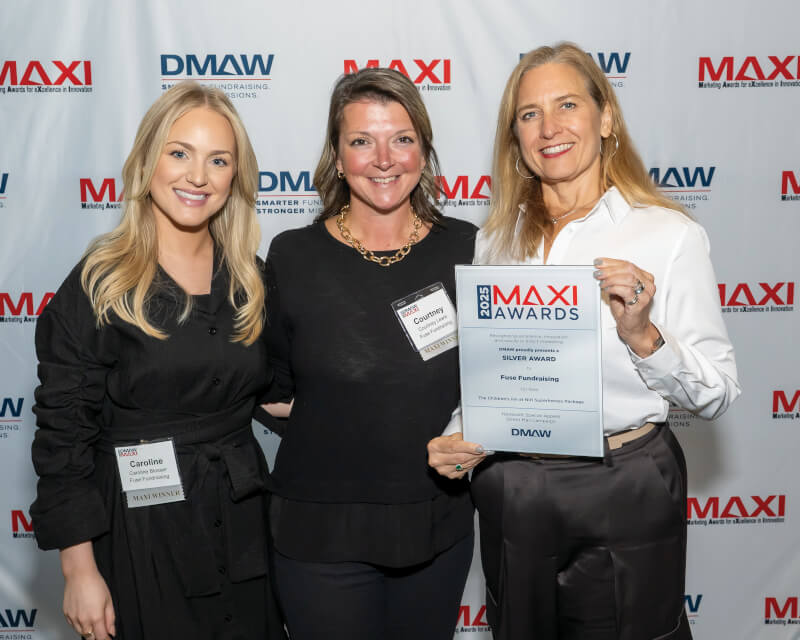
Wounded Warrior Project — GivingTuesday Multichannel Campaign
Wounded Warrior Project’s fiscal year 2025 GivingTuesday campaign was designed to push beyond previous fundraising records by expanding reach, deepening engagement and maximizing momentum through a fully integrated multichannel approach.
The campaign unfolded in three phases — early access, main match and match extension — tailored by channel to create an optimal omnichannel experience. Efforts spanned email, paid media, search, programmatic, social, YouTube Masthead, homepage takeovers, lightbox messaging and SMS, with messaging adjusted in real time to emphasize urgency and match opportunities.
The results were record-breaking. The campaign generated more than $1.9 million, surpassing $1 million on GivingTuesday alone. Performance max and demand generation drove strong incremental gains, while match extensions and SMS significantly increased participation. By combining smart sequencing, bold creative and channel optimization, Wounded Warrior Project delivered a MAXI Gold–worthy GivingTuesday blueprint.
The Art and Science of the Right Ask: How Strategic Segmentation Transformed Sustainer Conversion for Six Food Banks
Every fundraiser knows the tension: You want to grow your sustainer file because monthly donors represent the holy grail of predictable, long-term revenue, but not every donor is willing, able or ready to commit to a recurring gift. The conventional wisdom has been to cast a wide net with sustainer messaging, hoping to convert as many donors as possible to monthly giving, while assuming that the loss of one-time donors would have a minimal impact on the bottom line.
But what if that approach actually leaves money on the table?
A recent multi-nonprofit test that TrueSense Marketing conducted across six food banks suggests that the future of sustainer conversion lies not in broader appeals, but in smarter segmentation. The results challenge long-held assumptions about how nonprofits should approach sustainer growth through direct mail and offer a roadmap for organizations that are ready to take their programs to the next level.
A Strategic Question
TrueSense introduced a specialized, AI-driven, sustainer propensity model to identify food bank donors who were likely to respond to campaigns focused on recurring giving. The model generated a healthy number of donors with a high propensity to become sustainers. If only the donors most likely to become sustainers were solicited, the reduced mail volume would likely result in decreased overall revenue.
The question became clear: How can you maximize sustainer opt-in among high-propensity donors while preserving revenue from — and relationships with — the broader donor base?
This is the kind of strategic puzzle that separates good fundraising programs from great ones. Rather than accepting a trade-off between sustainer growth and one-time revenue, TrueSense strategists were determined to find the optimal balance.
A Tale of Two Audiences
TrueSense segmented the donor file into two distinct groups based on the donors’ sustainer propensity scores and then matched messaging to each audience’s predicted behavior.
Donors identified by the propensity model as most likely to convert to monthly giving received sustainer-focused messaging. Within this segment, TrueSense also tested different creative approaches to optimize both cost and response.
Meanwhile, donors who scored lower on the sustainer propensity model received something entirely different: a one-time gift ask with no competing sustainer messaging.
The hypothesis was straightforward: Matching the right message to the right audience would optimize overall campaign performance.
The Numbers Tell the Story
Among the donors who were not identified by the sustainer propensity model, the package with a straightforward one-time gift ask significantly outperformed the prior control. The campaign saw a 24% increase in response rate when sustainer messaging was removed in favor of a suitable one-time gift ask. The average gift size climbed 9%, reflecting stronger donor resonance with the appropriate messaging. Perhaps most importantly, return on investment improved by 36%, validating the strategic approach.
This approach protected the one-time gift revenue that could have been lost if the campaign did not include donors who were unlikely to make a sustainer gift. The model proves that this audience responds best to focused one-time–gift offers.
The sustainer-modeled segment delivered even more striking results. Among high-propensity donors, the winning creative approach produced a 106% increase in response rate, demonstrating the impact of optimized sustainer messaging and format. Return on investment improved by 118%, while also reducing production costs through a smaller, more efficient package design. The streamlined format delivered $5 per thousand in cost savings.
Beyond the Campaign Window
Direct mail may not be the primary sustainer conversion channel for most organizations, but even modest sustainer acquisition through these campaigns generates significant lifetime value. The ongoing, predictable revenue from monthly donors extends far beyond campaign attribution windows.
By matching the offer to the audience, these food banks simultaneously achieved multiple objectives, including:
- Maintaining or increasing one-time gift revenue while exceeding sustainer acquisition goals.
- Improving cost efficiency across both segments through winning smaller package formats.
- Generating predictable ongoing revenue through sustained monthly giving programs.
- Validating the strategic importance of message-to-audience matching.
What This Means for Your Program
The implications of this test extend well beyond food banks, and the findings offer several principles that sophisticated fundraising programs can apply immediately.
First, match your message to your audience. The 24% response lift in the one-time-gift segment proved that donors respond best when the ask aligns with their giving propensity and preferences. Sustainer messaging works for some donors; focused, one-time asks work for others. Trying to cultivate both audiences with the same offer dilutes your effectiveness.
Second, test creative strategically. Smaller, streamlined packages can reduce costs while dramatically improving response rates and return on investment. The assumption that bigger packages always perform better deserves scrutiny.
Third, and perhaps most importantly, use modeling to segment and target — not exclude. Predictive models are most powerful when they inform how you message different audiences, not just to whom you mail.
The Bigger Picture
What makes this case study particularly compelling is that it addresses a challenge
that many sustainer programs face. The pressure to grow monthly giving can lead organizations to saturate their entire file with sustainer messaging, potentially alienating donors who would happily give a one-time gift but feel overwhelmed by the commitment of monthly giving.
The segmented approach respects donor preferences while maximizing organizational outcomes. High-propensity sustainer prospects receive messaging designed to convert them to monthly giving. Lower-propensity donors receive a focused ask that matches their likely behavior. Everyone gets an appeal that resonates with their giving patterns.
For organizations looking to optimize their sustainer programs, the message is clear: The path forward is not broader sustainer appeals, but smarter segmentation. The results from these six food banks suggest that the investment is worth it.
The right ask, to the right donor, at the right time. It sounds simple, but making it happen requires strategic thinking, rigorous testing, powerful models, and a willingness to challenge conventional wisdom. For organizations that are ready to take that step, the rewards are substantial.
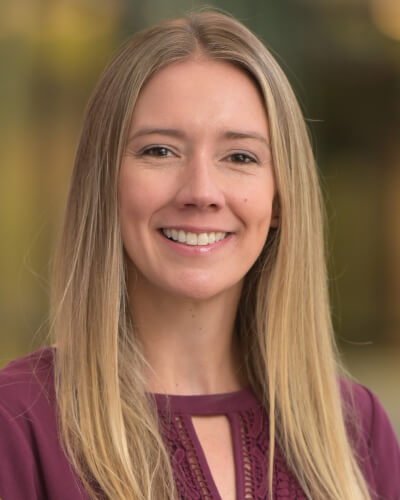
Katie is the senior integrated strategy director for the food bank vertical at TrueSense Marketing. With 16 years of experience in nonprofit fundraising, Katie began her career working with public media stations before expanding to animal welfare and emergency relief organizations. She joined TrueSense as an account director for food bank clients prior to transitioning to the strategy team. Katie is passionate about leveraging data insights and subject matter expertise to maximize the impact of every donor dollar. Known for her thoughtful leadership, strategic vision and results-driven approach, she aims to balance customization with efficiency. She values collaboration and is proud to work alongside a team of smart, kind and dedicated professionals.

Our industry’s next generation of leaders are already making an impact! Learn more and join them at
dmaw.org/ydmaw.
Setting Yourself Up for Success as a Manager
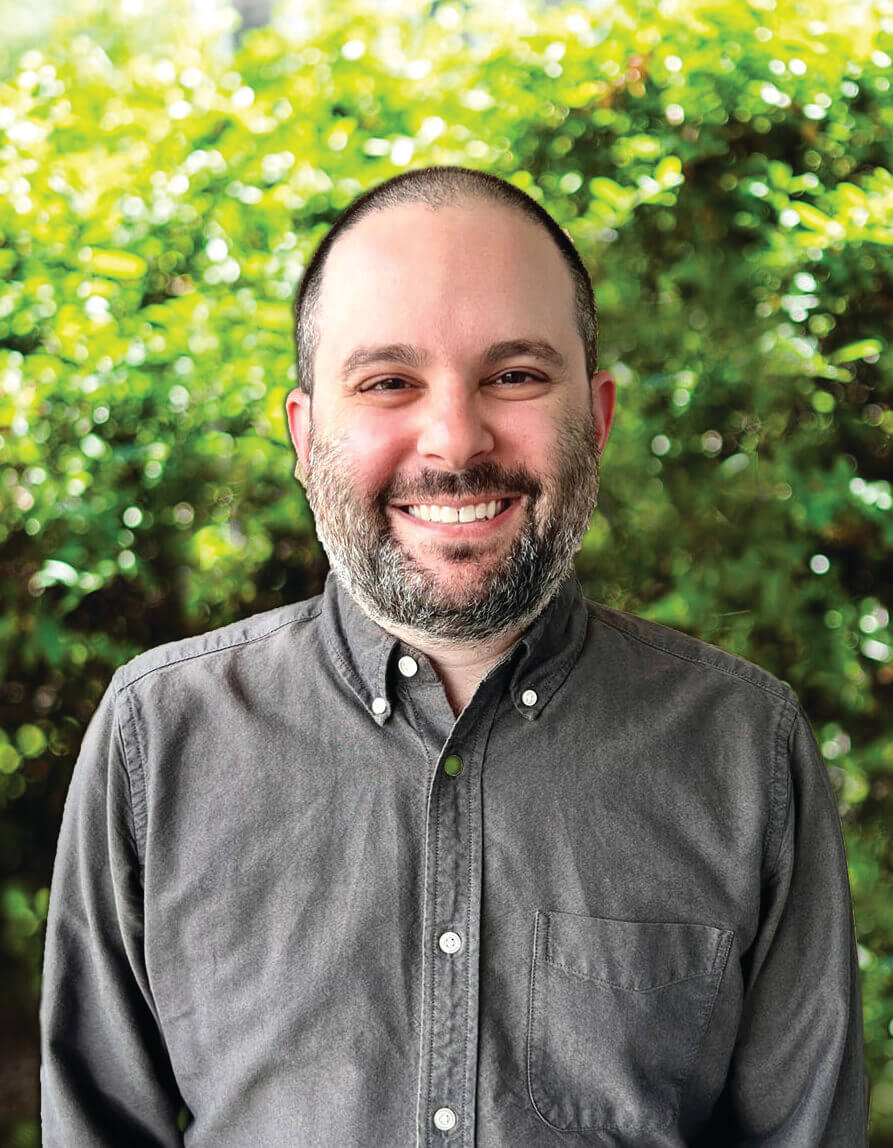
When you become a manager, you are no longer just a member of a team, but someone tasked with teaching and leading the next generation. It’s an entirely new job with new responsibilities, separate from your existing day-to-day work. And that’s scary.
But don’t worry, I’ve gone through the struggle, so you don’t have to. And through these trials, I’ve come up with three guiding principles that I think have made me a successful manager.
1. Build Trust
Your first official meeting with your new direct report is going to be key. This is your chance to establish what your relationship will look like and to set a baseline of trust. I do that by making sure that they understand my role as a manager is to ensure their success. Once they know that I am in their corner, they are more likely to open up.
I also spend time setting clear expectations around the roles and responsibilities of their job. I want to make sure they understand each and every task and that nothing is confusing. Your report cannot be successful if they don’t understand how to do their job.
Quick Tip: Don’t forget to follow up in writing on what was discussed so that both of you have clear documentation to reference.
2. Be Empathetic
You have no idea what is going on in a person’s personal life (and it’s really none of your business). We all struggle with different things throughout our lives, and there may be a moment where your direct report is struggling because of these outside factors.
Remember that we are all human beings and a little bit of understanding and support can go a long way in helping someone get back on track. Work with this person to find solutions, like taking time off or helping them prioritize tasks to ensure that their personal life doesn’t negatively impact their work.
Quick tip: It can go a long way to proactively take something off your supervisee’s plate if you can sense that something is up. Just don’t make it a habit.
3. Don’t Manage Alone
Just like with your day-to-day responsibilities, you don’t have to figure everything out by yourself. Managing people comes with situations you may not have faced before, and there’s no rule that says you have to have all the answers.
Lean on other managers and trusted colleagues to talk through challenges, ask how they would handle a situation, or learn from how they’ve supported struggling direct reports in the past. I also look for guidance outside my organization and network by reading articles and management resources online. Learning from others’ experiences has helped me feel more confident and better prepared when tough situations arise.
Quick tip: My No. 1 go-to resource is Ask a Manager, an online, workplace advice blog. The real-world scenarios and practical advice have been invaluable throughout my management journey.
Becoming a manager can feel overwhelming at first, especially when you’re expected to lead while still figuring things out yourself. The truth is, no one gets it right all the time — and that’s OK. If you focus on building trust, leading with empathy and leaning on others, you’ll give your team (and yourself) the foundation needed to grow.
Management isn’t about having all the answers on day one. It’s about showing up consistently, learning from your mistakes and committing to helping others succeed. If you do that, you’re already well on your way.
Sean Wagman is a digital account director at Lautman Maska Neill & Company. Sean can be reached at swagman@lautmandc.com.
MEMBER SPOTLIGHT
Senior Vice President of Strategy
AKwire
kate@akwiregroup.com
Kate Hollandsworth didn’t set out to build a career in direct marketing so much as she set out to make a difference.
“I knew I wanted to help organizations and people who were making the world a better place,” she said. “By the time I finished my undergrad, I also knew I didn’t want to spend more time in the classroom, so law school was out.”
Instead, Hollandsworth found her lane in direct marketing.
“The direct marketing world was a way to combine my passion for politics, my voice, and my strong opinions into a force to help nonprofits and candidates raise money and awareness for their causes,” she explained.
She began her career at ABD Direct, where she experienced a little bit of everything a full-service agency does. This is where her passion for analytics and strategic planning emerged.
After 15 years with ABD Direct, she decided to pursue analytics as a full-time responsibility at Integral.
Then, in September 2024, Hollandsworth joined forces with Kelly Leech and Andrew Giffen to launch AKwire.
When asked what has made her stay in the sector, she said, “The swag bag at Bridge? That and … I feel very lucky to be connected to amazing organizations that are truly making the world a better place and fighting to protect our rights.”
Where do you live, and with whom?
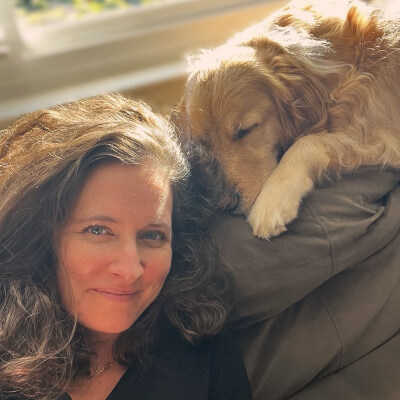
I live in Arlington just outside of D.C. with my family and biggest fan, Ruby, a three-year-old Golden Retriever who you will see in the background of most of my meetings.
Who do you consider your mentors?
I’m thankful for many people who helped me grow professionally. I look up to people I work with who are continually looking to help others and not just thinking of their own personal gain.
My first mentor helped shape who I have become and I think about her often in times of celebration and times of challenge.
Marie Dullea-Prentice was an amazing person, friend to all and my boss for 12 years. I think of her often and wish I could call her, because no matter how hard I try to think I know it all, I don’t. Her sound advice was always a lighthouse in a storm and a voice of reason. I hope I can provide that same help to others.
What advice would you offer a novice who wants to move up in direct marketing?
Get out there. This industry has so many wonderful people that you should meet to help grow your network. You never know when you’ll need their help — and when they might need your help. Find the good guys and don’t let go!
QUICK TAKES
 FILM: “Sixteen Candles”
 BOOK: I enjoy a range from a teary happy-ending rom-com to a locked-in-a-basement situation thriller.
 MUSIC: Jack Johnson and Death Cab for Cutie
 LEISURE INTERESTS: Reading, sunrise walks, and Ruby (my Golden)
Direct Impact is the member exclusive magazine from the DMAW, login to read the full issue and access the archives. Not a member yet? Join today to get every issue and more!
