
January/February 2026 Vol. 64 No. 1
6 MOVES to Strengthen Your Fundraising In 2026
You did it — you survived another year-end fundraising cycle. Whether you achieved your goals or fell short, the dust is settling and you now have an opportunity to look ahead and build your plan for success. Hopefully you already have some ideas you’ve been kicking around, but the new year is the right time for expansive openness. Bring your team along for these donor-centric ideas, and 2026 will become your year.
Launch a Supporter Hub
What if I told you there was an easy way for sustainers to update their credit card information or increase their monthly gift amount? Or a way to manage email or newsletter subscriptions, change mailing or email addresses or stay updated on advocacy and petition issues? There is — and it’s your supporter hub (also called a constituent portal, or some other unique name).
You most likely have this baked into your eCRM; it just needs to be set up and stylized before you launch it. Once you do, educate your supporters that it’s there (a great moment for non-appeal communication) and be prepared to assist them if there are any learning curves. Nothing will ever be easy — but this comes close.
Use Artificial Intelligence (AI) for Smarter Insights
This is the time. 2026 is your year to expand your toolset and allow a little AI into your workflow. First, follow your organization’s ethics guidelines (or help kickstart that process), don’t feed your data into any large language model and maybe don’t use AI for your copy. But do go ahead with some low-stakes items, such as using AI to audit your website from a prospect’s perspective, seeing if it offers any intriguing ideas on improving your donation forms and having it help review emails for deliverability issues. Start with technical support — tasks you can do on your own but that are time-consuming. Your real value comes from reviewing what the machine thinks will improve your donation form (don’t trust it if it says to increase all ask amounts by 100%). The future is here. AI is a tool. Find the way to use the tool that works for you.
Audit Your Email Program
Email changes constantly. From Google’s tabs and “manage subscriptions” tool to Apple’s privacy updates to AI-generated summaries — email is always evolving. The best time to audit everything was four months ago. But we’re here now at the start of a new year, so this is your next best moment to review deliverability, ensure supporters are receiving and engaging with your messages, and confirm that you’re testing and using best practices across your program.
Revisit Proven Tactics
Remember that time you tested a single-step form against a multi-step? Tried deploying a sustainer intercept? Tested an email design three years ago? You embraced some best practices and rejected others — because the same things don’t work for everyone. But over time, your supporters change, and donors overall change, too.
They become more accustomed to different things, both online and in direct mail. If you want to meet donors where they are, go back to the well and try old tactics anew. We’ve seen the pendulum swing in different directions for donation form styles, subscription models and more. Dust off those past ideas and see what shines.
Shake off your present-focus bias. Automations will save you time and effort, that is, if you carve out space now to build your automated messaging flows
Build Time-Saving Automations
Shake off your present-focus bias. Automations will save you time and effort, that is, if you carve out space now to build your automated messaging flows (welcome series, sustainer upgrades, anniversary gifts, failed sustainer gift notices and more). Early in the year might be the best moment to hammer out a plan, because creating these flows takes time (though you can start small). Be creative. Think about what time-consuming processes you can offload or what recurring campaign you haven’t had the bandwidth to tackle. Automation is your time to shine.
Expand Reach With Peer-to-Peer
Peer-to-peer fundraising never went away — and it’s coming back even stronger. With many budgets tightening, organizations must find ways to do more with less. One way is to tap into the collective power of your supporter base. Donors and prospects alike know people you don’t have on file, and many of them are interested in more community-centric methods of giving.
Platforms have continued to streamline peer-to-peer tools, making setup and administration easier than ever. You don’t even need an event — although it doesn’t hurt. You can simply market this tool as a fun way for supporters to champion your organization. Social and community-driven giving is ripe for a resurgence (even though it never truly left), so meet your supporters where they are.
Is this a lot? No, it really isn’t because you’re not going to do all these things. You are in a moment of reflection. Take stock of what worked well last year and at year-end. Consider what you want to achieve in your program this year. Assess what you can begin doing now to support those goals in conjunction with your successes. And there you have it — a full year ahead of you. It’s going to be a great year.
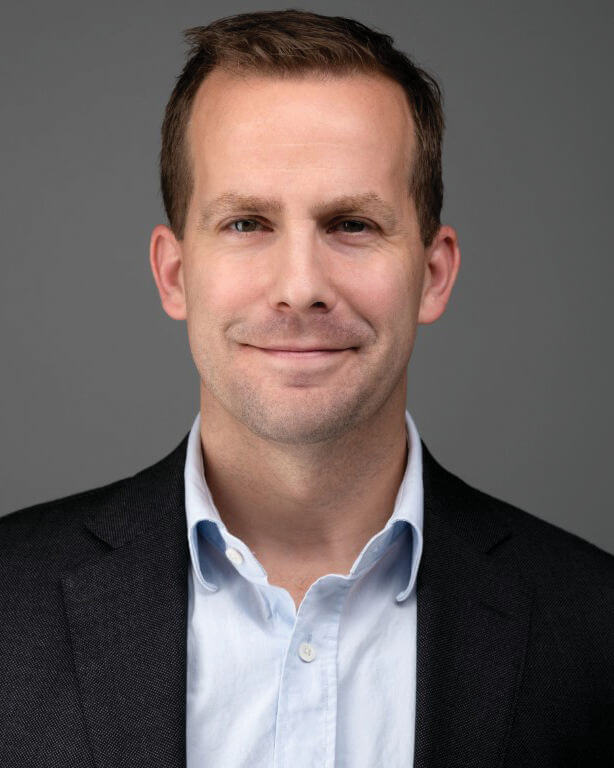
Mathew Harkins leads The Engage Group by directing strategy, managing resources and projects, and building agency and technology partnerships. He helps each client find the best solutions for their needs, whether in campaign strategy, production, acquisition or technology development. During his 10-plus years with The Engage Group, Mathew has worked with such outstanding organizations as WETA, Human Rights Campaign, International Rescue Committee, Cornell Lab of Ornithology, the National Gallery of Art and many more.
PRESIDENT’S PERSPECTIVE
Resilience Moves Us Forward
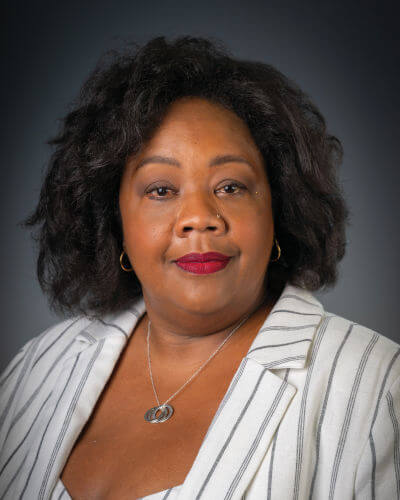
In October 2019, Karin Kirchoff, past president of DMAW’s board, and Donna Tschifelly, former executive director of DMAW, approached me, asking me to consider running for the DMAW board of directors. After my “Who, me?” moment, I decided to set my imposter syndrome aside and launch my candidacy.
When I reached out to ask for votes, the response was overwhelmingly supportive, and I thank all of you who supported me then. Now, I am here following in the footsteps of those two impressive women. Raeshawn Crosson and I will do our mightiest to uphold both of their legacies.
I start this presidency year with concerns about the nonprofit sector. An Oct. 15 article in The Wall Street Journal titled “Trump Team Plans IRS Overhaul to Enable Pursuit of Left-Leaning Groups” highlighted a plan from the current administration to reconfigure the agency’s criminal unit to target left-leaning groups and Democratic major donors.
The clear issue here is the subjective nature of which organizations are considered “left-leaning.” Many in this sector work for nonpartisan organizations that may face extra scrutiny if their values or missions differ from those of the current administration. The risks are huge as many nonprofits do not have the financial resources to fight back in an investigation, and the fallout may be great. We depend on fair treatment, regardless of political affiiation, to help those who need it.
In addition, nonprofits are facing increasing demands for their services while contending with decreasing donations due to donors’ economic difficulties.
Despite these challenges, I know this: We are resilient. As we navigate these challenging times, I am heartened to see people band together to continue to do good, no matter their background.
Looking forward, I am struck by how quickly the world continues to change, and how adaptable our community continues to be. The challenges we face demand innovation, flexibility, and an unwavering commitment to our missions. And we will continue to support one another through uncertainty and continue serving our members despite unprecedented obstacles.
Thank you all for your continued service.
Joanne Wilson jwilson@humaneworld.org
Committee Spotlight
Get to know the people behind the scenes powering our industry’s top events and programs, and how you too can get involved.
Celebrating Excellence at the 2025 Best of Direct Awards
The Direct Marketing Association of Washington (DMAW) gathered members, partners and industry leaders to celebrate excellence at its annual Best of Direct Awards celebration on Dec. 3 at the National Housing Center in Washington, D.C. Best of Direct honored individuals and organizations whose leadership, service, and innovation continue to strengthen the direct marketing and fundraising community across the Mid-Atlantic region and beyond. As always, the Membership Awards Committee leads the charge, playing an integral role in shaping, stewarding, and elevating this cornerstone celebration each year.
The Best of Direct awards shine a spotlight on fundraising professionals and their support partners and celebrate these individuals — honoring them at every stage of their careers. The program recognizes long-standing industry leaders, rising talent, committed volunteers and trusted partners who exemplify DMAW’s mission and values.
The 2025 honorees reflect the breadth of experience, creativity and dedication that define the DMAW community. Among the evening’s most distinguished recognitions was the Hall of Leaders Award, presented to Alan Rich of Nova Label (see page 13 for more on Alan). This award honors a career marked by exceptional leadership, industry influence, and sustained service. Alan’s contributions have left a lasting impact on both DMAW and the broader direct marketing landscape.
The Industry All-Star Award was presented to Newport ONE’s Craig DePole, a distinguished professional whose integrity, leadership and commitment to excellence serve as a benchmark for peers across the industry. DMAW also celebrated the next generation of leaders through its Rising Star Awards, honoring Ryan McGuire of The Harrington Agency and Rose Richtmyre of K2D Strategies. These awards spotlight emerging professionals who have demonstrated exceptional promise, innovation and impact early in their careers. The Emerging Leader Award was presented to Katie Tamaro of Citymeals on Wheels, honoring her leadership, initiative and growing influence in the nonprofit and fundraising space.
The O’Hara Leadership Award, which honors excellence in education and mentorship, was presented to Donna Wertalik of Virginia Tech’s Pamplin College of Business, acknowledging her commitment to developing future leaders in marketing and business starting in the classroom. Partnership and service were also key themes of the evening: Jake Brown of BigEye Direct received Partner of the Year, recognizing the firm’s ongoing support and collaboration with DMAW. The Volunteer of the Year Award was presented to Nipa Eason of RKD Group for her dedication and service, while Mikaela King of Sierra Club and Dan Sonners of Judicial Watch received the Board Appreciation Award for their leadership and contributions to DMAW’s governance and growth.
The Changemaker of the Year Award recognized DMAW’s former executive director Donna Tschiffely for her meaningful contributions and ability to drive positive change within the organization and the industry. And, in a joint award, DMAW and the DMAW Educational Foundation (DMAWEF) presented Donna with the DMAW/EF Jonah Giltlitz Board Appreciation Award, recognizing her invaluable contributions to the direct marketing industry as she retired at the end of 2025.
Together, the 2025 Best of Direct honorees represent the passion, professionalism, and community spirit that continue to move the direct marketing industry forward — and underscore the vital role the Membership Awards Committee plays in ensuring these achievements are recognized, celebrated, and elevated across the DMAW community.
How I Got Here
DMAW members reflect on their starts that shaped their career paths to today
W hile direct marketing and nonprofit management are now growing fields of study at colleges and universities, many of us took meandering routes to get here. Over the years, I have heard countless stories from DMAW members whose areas of study have been vast. Our newest Direct Impact column, “How I Got Here,” showcases our members’ backgrounds. Enjoy the next installment, featuring Lisa French and Katie Tamaro — and contact us at comms@dmaw.org if you’d like to be featured.
Joanne Wilson is the vice president of advancement operations at Humane World for Animals and DMAW board vice president.
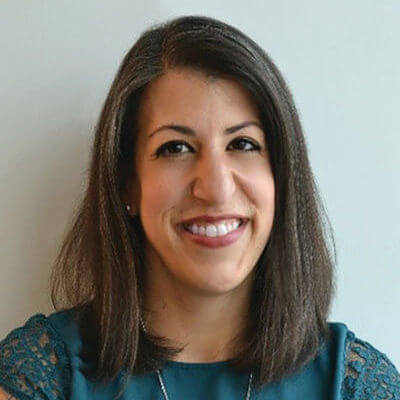
Vice President of Client Services
Eidolon Communications
When I left college and moved to Washington, D.C., my goal was to work at a law firm before eventually attending law school. Instead, like so many of our industry colleagues, I fell into nonprofit fundraising.
While I’d always been a community service volunteer and believed in the power and meaning of giving back, I never considered nonprofit work as a career. I gave law my all, but soon realized it just wasn’t for me. I left that world behind to work as a campaign coordinator for Team in Training, part of the Leukemia and Lymphoma Society’s (now Blood Cancers United) fundraising program.
I loved that job because I was able to work with people in a more fulfilling and personal way than most legal professionals do or can. I coached them on how to raise money from their families and friends for a cause that was particularly important to me at the time. Two of the participants on a team I managed were Frank and Rindy O’Brien.
Despite how much I enjoyed that job and the people I was able to meet, my tenure was short as I had graduate school loans coming due and, quite simply, needed to earn more. Living in D.C., it seemed that government contracting would fit the bill. As I said goodbye to the team, Rindy said to me, “When you’re not happy there, call Frank.”
Rindy was on to something, because six months later I found myself joining the team at OMP (now O’Brien Garrett) as an account executive — my first job in direct response. That was 18 years ago. Since then, I’ve had various positions in different organizations and agencies, learning and growing in valuable ways throughout. Yet there were times when I wanted to do something — anything — else. Whether it was because of unrealistic expectations of board members or a commute that didn’t work for my family, but two things always stop me: the causes and the people.
Every day as a nonprofit direct marketing professional, I get to do a job that makes a difference — for people, for causes, for institutions and for values I believe in. I get to work with smart and talented people who are also committed to making this world a better place. Whenever I think about that, I know I’ve found more than a career, I found a vocation able to sustain and enrich me.

Digital Fundraising Manager
Citymeals on Wheels
I was never the kind of person who knew exactly what I wanted to do. In my dream life, I would have been on a stage. At other times, I thought maybe I’d be a teacher. What always stood steady, though, was the feeling that I didn’t want to just work for “the man” — I wanted to help people.
That’s what led me to start out in nursing school. But by the end of my first semester, I realized that definitely wasn’t the path for me.So, I pivoted to business school, still searching for where I fit. Before graduating, I landed an internship at Lautman, Maska, Neil & Co. At first, I didn’t fully understand the world of direct response fundraising I was stepping into. But quickly, I realized something important: This was a way to make a tangible difference, just as I’d originally hoped only just a little bit differently.
Since then, my career has taken me through different corners of the nonprofit fundraising world. I’ve worked in data consulting at Integral, navigated the fast-paced agency life at Lautman, and now I’m part of the team at Citymeals on Wheels where I manage the digital fundraising program. I may not be a nurse, but with fundraising, I still get to be a part of something bigger than myself.
Back to the Basics: Building a Donor File That Endures
Dr. Seuss was never more accurate when he said, “Sometimes the questions are complicated and the answers are simple.” Because today, complicated questions have the nonprofit world at a crossroads.
Donors are disappearing, acquisition costs are rising and retention rates are under siege. Our fundraising playbooks aren’t delivering what our missions deserve. The question isn’t how to raise money — it’s how do we build a donor file that thrives and endures for decades to come?
At the USO, we faced this reality head-on. Our mission to strengthen the well-being of our service members demanded more than quick wins — it required a strategy that could deliver predictable, repeatable revenue. The solution was to strip away the noise, return to the fundamentals and rebuild with intention and purpose.
The temptation to chase quick wins is real, yet revenue today shouldn’t come at the cost of revenue tomorrow. Getting out of that cycle requires understanding, agreement and patience from leadership.
When executed well, direct response doesn’t just raise money — it builds momentum across the entire organization. It is a key driver for brand awareness and fills the major gift and planned giving pipelines with donors who later make larger commitments.
I believe people are hungry for connection and a desire to make a difference. Direct response is the best vehicle to deliver that.
Direct response fundamentals don’t involve a secret sauce, yet they are powerful — and the USO’s recent performance underscores the impact of this approach. The year 2024 marked the first non-pandemic year in many years with true revenue growth in direct response. Revenue climbed 5%, donor value is at a five-year high, and retention rates have rebounded to industry averages — all during a time when the United States has been at perceived peacetime for more than a decade.
These gains didn’t happen by accident. They were the result of deliberate shifts and a constant effort to balance volume- and value-based strategies.
The USO’s journey to get back to the basics began in mid-2023 and was a series of purposeful changes to realign with best practices — forgoing short-term wins for longer-term growth. It involved extensive testing, staying nimble with channel investments and reinvesting incremental net revenue into activities that drive sustainers.
Here is the back-to-the-basics playbook I follow, scripted by some of the industry’s best fundraisers.
Create an Individual Pipeline
Make decisions based on your organization’s overall revenue goals, not just departmental targets. At the USO, direct response team invests to grow the donors needed in major gifts and planned giving — even if that means a lower immediate return on investment.
Prioritize Sustainers Early
Donors who commit to recurring gifts through autopay methods are critical for sustainable growth. Integrate sustainer conversion strategies early in the donor journey across digital, direct mail and telemarketing. And if you aren’t using face-to-face, door-to-door and direct response television (DRTV), invest in a test pilot. Even if past tests were mixed, test again. Canvassing is on fire for many organizations right now.
Balance Volume and Value
It’s not volume or value — it’s volume and value. With new donor breakeven times extending beyond 60 months for most organizations, you must diversify to find the co-ops, donor lists and models that deliver the right balance. A singular focus on one or the other will not power long-term growth.
Simplify the Giving Experience
Your donation experience should feel effortless — simple forms; QR code access; multiple payment options such as PayPal, ACH, and donor-advised funds (DAFs); and opportunities to dedicate a gift in honor or memory of someone.
Embrace Artificial Intelligence
AI can be your copilot, offering expertise and unlimited bandwidth. It can help you find more donors who believe in your mission, analyze their communication styles and suggest language that will resonate. Just understand that you’re still the pilot calling the shots.
Host Study Halls
This one is my favorite. I live by the saying former President Ronald Reagan made famous: “trust, but verify.” At the USO, we’ve held multiple study halls where we locked ourselves in a room with one topic and audited everything from beginning to end. You’ll be surprised to learn that a system is holding donors in limbo, suppressions are incorrectly applied at the universal level instead of the campaign level or how long it takes to acknowledge a $500 gift. It’s T-shirt-worthy — trust, but verify.
Building a donor file that endures isn’t about chasing trends or launching a clever campaign, it’s about mastering the fundamentals and committing to purposeful testing and learning.
With a solid foundation, I believe nonprofits can capitalize on industry shifts and sustain mission impact. In fact, you’ll likely find more than one great answer to those complicated questions. At the USO, it’s a constant study hall — because our troops deserve our best.
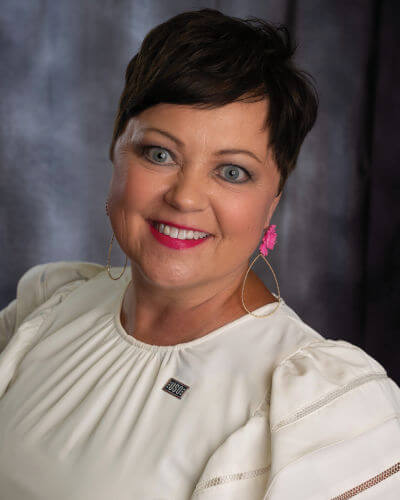
Tabitha Glenn is the vice president of direct response at the USO, which supports American service members and their families worldwide.
Expanding Our Reach: DMAW’s Growing Community Across the East Coast
The Direct Marketing Association of Washington (DMAW) has long been rooted in the vibrant marketing community of the Washington, D.C., region — where data-driven strategy, creative storytelling and purpose-driven marketing come together. Yet, as our industry continues to evolve and our members’ networks extend beyond traditional boundaries, so too must DMAW.
This year, DMAW is launching a geo-expansion initiative designed to strengthen connections, foster professional growth and bring the value of DMAW membership to more direct marketing professionals across the East Coast, particularly in New York, New Jersey, Pennsylvania and Boston.
Why Geo-Expansion, and Why Now?
Direct marketing is no longer defined by geography — it’s defined by community. Many of our members collaborate across states, and our partners and sponsors serve national audiences. By expanding DMAW’s presence, we’re responding to a simple truth: The same energy, innovation and professional camaraderie that make DMAW special in the DMV are needed elsewhere.
Through regional events, partnership opportunities and localized programming, our goal is to build micro-communities within the broader DMAW network — spaces where professionals can exchange ideas, find mentorship and stay connected to the latest industry trends.
Spotlight: New York, New Jersey, Pennsylvania and Boston
Our first phase of expansion focuses on two areas that share DMAW’s passion for direct response and integrated marketing excellence.
In New York, New Jersey and Pennsylvania, DMAW has begun collaborating with local marketing leaders and organizations to identify joint programming opportunities. Plans are underway for networking events and educational programming that will bring together professionals from agencies, nonprofits and service providers to discuss emerging trends in omnichannel marketing, data strategy and donor engagement.
Meanwhile, in Boston, we’ve connected with a strong network of nonprofit and agency professionals eager for deeper peer connection and professional development. The goal: to create a Boston DMAW Circle, where members can engage in regular meetups, learn from thought leaders and contribute to DMAW’s growing national conversation on marketing innovation.
Strengthening the DMAW Community
This effort isn’t just about geography — it’s about growing together. Each new addition provides unique perspectives, ideas and expertise to our collective story. And as our community expands, DMAW becomes a stronger, more diverse hub for knowledge, connection and leadership in direct marketing.
Our success will be driven by you — our members, partners and volunteers who continue to make DMAW a place where people don’t just network, but truly belong.
As we move into 2026, expect to see more regional programs, collaborations with local associations and new pathways for engagement — from virtual sessions to in-person events — designed to bring the best of DMAW to professionals wherever they are.
If you’d like to get involved or help host a regional event in your area, I’d love to hear from you. Together, we’re expanding DMAW’s reach and impact, one connection at a time.
Raeshawn Crosson is the executive director of DMAW. Reach Raeshawn at raeshawn@DMAW.org.
Spotlight on Creativity: 2025 MAXI Creative Award Winners
In 2025, the DMAW MAXI Awards honored the best in data-driven direct marketing, celebrating innovation, measurable impact and creativity that moves people to act. Among the standout entries, the Creative Awards spotlighted campaigns that blended strategic thinking with fresh, inventive execution — proving great ideas, beautifully executed, truly drive results.
Last year’s new Creative Award categories — Digital Dynamo, Stamp of Excellence and Omni Wow — recognized campaigns that pushed creative boundaries and delivered exceptional outcomes.
Digital Dynamo Award
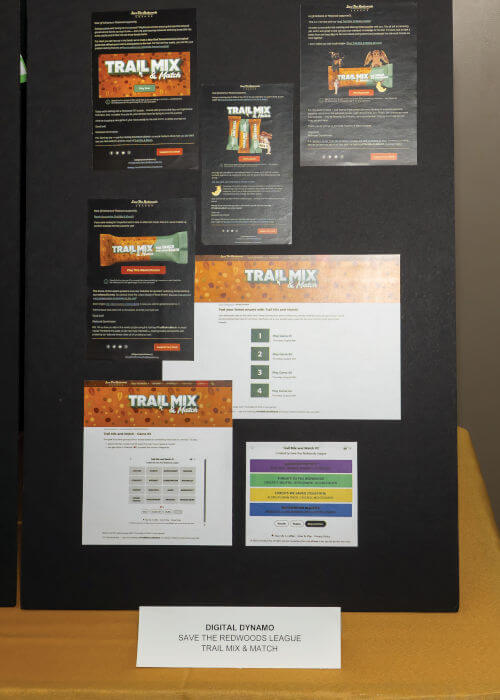
K2D Strategies, Save the Redwoods League — “Trail Mix & Match”
K2D Strategies’ work for the Save the Redwoods League turned donor engagement into an interactive experience. The “Trail Mix & Match” digital campaign invited supporters to explore and connect with nature through a personalized quiz that matched them with a unique redwood trail experience. Combining stunning visuals, dynamic storytelling and clever use of data, the campaign inspired donations and strengthened supporters’ emotional connection to one of America’s most treasured natural wonders.
Stamp of Excellence Award
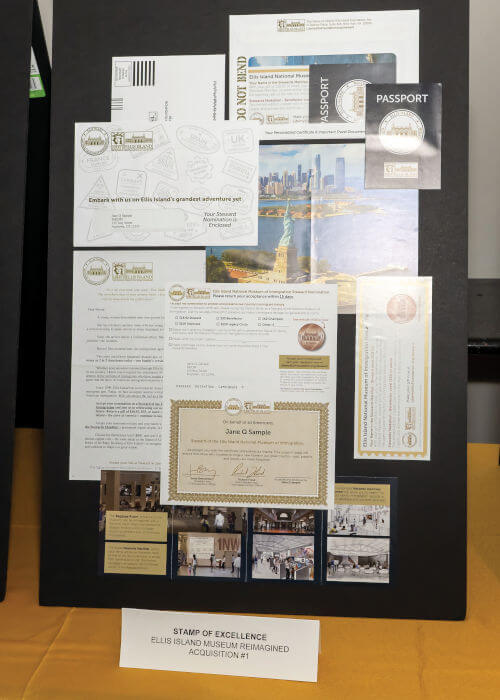
MKDM, Ellis Island Museum Reimagined — “Acquisition #1”
MKDM captured hearts and history in its direct mail campaign for the Ellis Island Museum Reimagined project. “Acquisition #1” drew inspiration from the emotional journey of America’s immigrants, blending powerful storytelling, elegant design and historical authenticity. The campaign’s tactile presentation — paired with a clear, compelling call to preserve the Ellis Island legacy — resulted in impressive acquisition rates and renewed donor engagement.
Omni Wow Award
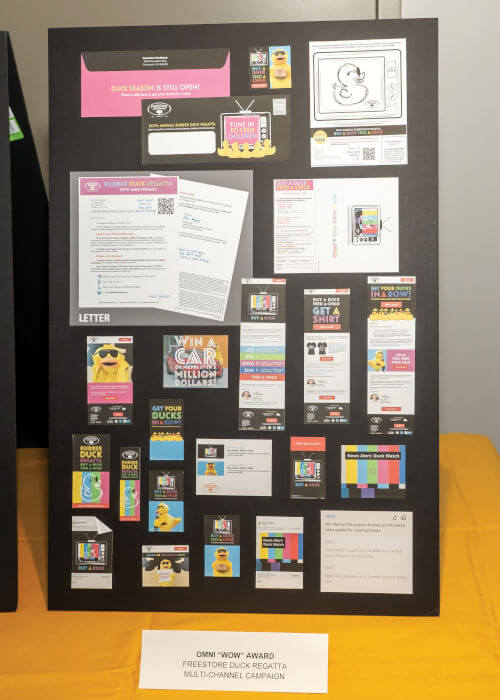
TrueSense Marketing, Freestore Duck Regatta — “Multi-Channel Campaign”
With rubber ducks, community spirit and a cause that makes a splash, TrueSense Marketing’s “Freestore Duck Regatta” delivered an omnichannel campaign that stood out. Integrating email, social media, direct mail and local media, the effort drove widespread participation in the annual fundraising event. The creative blend of humor, heart and high-energy visuals captured attention across channels and converted enthusiasm into tangible support — earning this campaign a well-deserved “wow.”
Celebrating Creative Excellence
The Creative MAXI Awards honor campaigns that elevate direct marketing through artistry, originality and emotional resonance. They remind us that while data drives decisions, creativity drives connection.
As you plan your next campaign, think boldly — and consider how your ideas might shine at the 2026 MAXI Awards. Applications open this spring, so start brainstorming now for your chance to be recognized among the industry’s most inspiring innovators.
Dare to create. Dare to inspire. Dare to enter.
How Digital Community Can Soothe Fatigue and Inspire Giving in 2026
Seemingly everyone who touches the nonprofit world is tired. Tired of the constant requests for donations, the financial uncertainty and the endless buzz of digital noise. Maybe you feel it, too.
People are searching for safe havens where they can feel connected, grounded and human.
What if the online world, which is so often the source of overload, could become that safe haven? The answer may lie in digital communities. Let’s explore why.
The Challenge of Fundraising in the Digital Age
Donor fatigue leads to disengagement and shrinking participation, making nonprofit staff members’ jobs harder. And on top of that, nonprofit teams and volunteers are burned out themselves, stretched thin by rising needs and fewer resources.
Meanwhile, the digital attention span has all but vanished. In 2004, the average person could focus on a single screen for 2.5 minutes. By 2025, that had dropped to just 47 seconds. That’s less than a minute for a nonprofit to connect, inspire and earn trust.
Needless to say, nonprofit leaders must find a creative way to reengage donors and keep their attention.
The Opportunity of Digital Community
When people feel part of something bigger than themselves, they’re more likely to engage, advocate and give. Creating digital communities is an opportunity to establish that space.
A digital community isn’t just a list of followers or a group chat. It’s a living, interactive network where people see their values reflected back.
Here are four ways to create community online.
1. Facebook Groups
Create private or interest-based groups where donors and advocates can connect directly with your mission. Use these spaces for more than announcements. Post discussion prompts, celebrate member milestones and highlight impact stories shared by supporters. Be a responsive, conversational moderator so members feel heard and part of something authentic.
2. Online Events
Go beyond webinars. Think micro-events — 20-minute livestreams, impact showcases or short virtual gatherings with clients, volunteers or program staff. Keep them loose (aka not scripted) and find ways to engage your audience in real time.
3. Webinars or Conference Calls
Schedule monthly or quarterly sessions with leadership or program experts to answer supporters’ questions. Authenticity matters more than polish — embrace imperfection and respond honestly. Live Q&As show accessibility and transparency, building trust.
4. Co-Created Storytelling
Invite your community to help tell their version of your story. Ask supporters to submit short videos, testimonials or social posts about why they give or how your mission has touched their lives. Compile these into digital montages or story walls that showcase the collective heart behind your cause.
When nonprofits communicate emotional belonging through these kinds of tactics, donors stop feeling like customers and start feeling like partners.
Stronger Relationships Mean Stronger Results
Repeat retained donors made up about 61% of all fundraising dollars in the first quarter of 2025, a report from the Fundraising Effectiveness Project shows.
When people feel connected, they care longer, give deeper and advocate louder. That’s the quiet strength of digital community. It turns fleeting attention into lasting relationships.
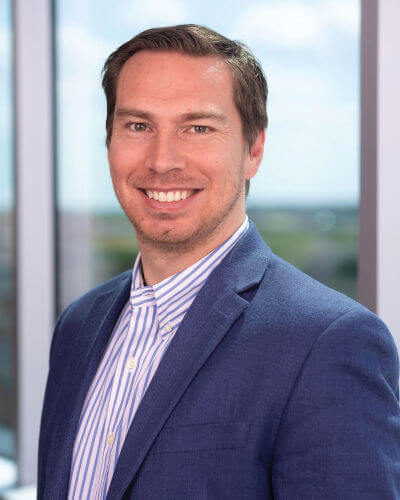
Jarred Schremmer has worked in multichannel fundraising, communication and direct marketing for a distinguished list of health, international relief, faith-based and arts and culture clients since 2005. His experience across multiple nonprofit communication channels adds depth to his strategic leadership.
As senior vice president of strategy at RKD Group, Jarred has a remarkable record of success helping organizations increase media reach, multiply fundraising and marketing revenue and grow digital and multichannel donors. Committed to making data-driven strategic decisions, he employs sophisticated donor attribution models to increase response and strengthen donor relationships for clients.
DMAW Hall of Leaders: Honoring Alan Rich
The DMAW Hall of Leaders represents our association’s highest honor. Its origins date back more than 60 years, and some of the most influential figures in our industry have been recognized — visionaries like Richard Viguerie (1972), Austin Kiplinger (1987) and Hal Malchow (2013). Over the decades, the name and nature of the award have evolved to reflect the expanding impact and diversity of leadership across the direct marketing community.
To be inducted into the DMAW Hall of Leaders, an individual must have demonstrated outstanding achievement in direct marketing and shown unwavering dedication to DMAW through exceptional service, mentorship and leadership. Honorees not only advance the profession but also inspire and elevate those who work within it.
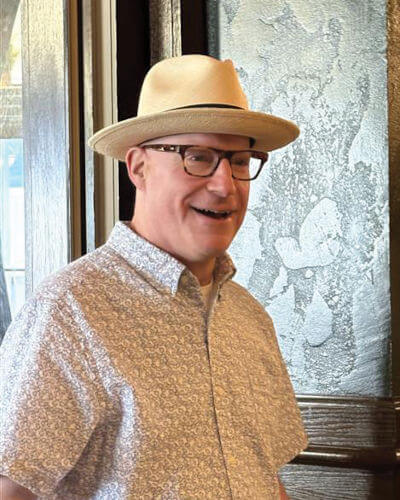
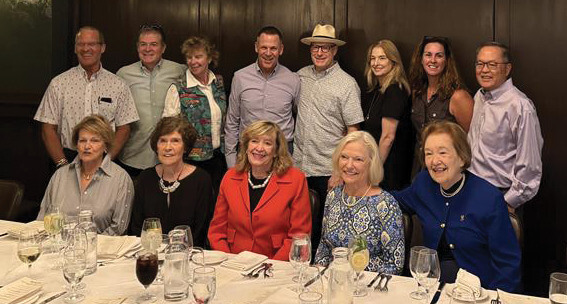
In 2025, DMAW proudly welcomes Alan Rich, president of Nova Label Company, into the Hall of Leaders.
With equal parts artistry, curiosity and humor, Alan Rich has spent more than 40 years building both a business and a legacy at Nova Label Company — 25 of those as president. His professional journey reflects a lifelong love of creativity and craftsmanship, which began in childhood sketching truck designs, building model cars and occasionally celebrating his handiwork with a bit of backyard pyrotechnics.
Alan’s early knack for tinkering led him to his first job at Glenmont Hechinger, where he mastered the basics of plumbing and electrical work, and perfected the fine art of confidently directing customers to aisle A3 when he wasn’t quite sure where to find something. That good-natured confidence has carried through his career and life. It even helped him win over a cashier named Bonnie, who appreciated both his humor and handiness — and later became his wife. Last year, the couple celebrated 40 years of marriage.
Though Alan originally planned to become a plumber, his career took a sharp turn when he met Bonnie’s father, Sandy, who had just founded Nova Label. Spotting Alan’s natural rapport and “can-do” spirit, Sandy invited him to join the company. Alan’s curiosity and willingness to say “yes” to new opportunities soon led him to the world of direct mail. When a client requested “piggyback labels,” Alan dove in to learn what that meant — and in doing so, found his calling and his community through DMAW.
Since then, Alan has been a cornerstone of DMAW, serving 14 years on the board of directors, including two terms as board president, two terms as Bridge Conference co-chair, and seven years as DMAW Educational Foundation (DMAW/EF) liaison, where he helped launch the beloved Mentor for a Day program. Whether volunteering, sponsoring or lending a hand behind the scenes, Alan is always the first to step up and the last to say “no.”
His success is built on relationships, service and a lifelong belief that anything can be fixed (or at least that he can figure out how to fix it).
A fun tidbit about Alan is he still channels his inner tinkerer — though these days, his projects are far less likely to involve open flames.
DMAW congratulates Alan Rich on his induction into the Hall of Leaders and thanks him for his enduring commitment to our community, his mentorship to generations of professionals and his signature blend of humor, humility and heart that defines true leadership.

Our industry’s next generation of leaders are already making an impact! Learn more and join them at
dmaw.org/ydmaw.
Building a Stronger Digital Strategy

Whether you’re building your first digital campaign or refining your strategy after years in the industry, one truth remains: Success starts with a strong foundation. In the fast-moving world of digital fundraising, it’s easy to jump straight into tactics, but the most effective campaigns are built on thoughtful planning, clear goals and lessons learned.
Here’s our strategic framework for building better digital campaigns. As you map out your campaigns for the year ahead, this approach can help you plan smarter, communicate better and grow your impact.
1. Define Your Goals
Before anything else, ensure you are crystal clear on your campaign’s purpose. Is this about awareness, engagement or conversion? Is it part of a special initiative like a holiday push, giving day or a multichannel match campaign? Define the objective first — everything else should ladder up to that. Then drill down into the details:
- Audience and timing: Who are you targeting, and when? Define key segments and deadlines.
- Channel strategy: What platforms will you use, and how will they work together? Are you layering in SMS, paid social or organic content?
- Success metrics: What does success look like? Set clear key performance indicators such as click-through rate, average gift and return on ad spend. Bonus if you have benchmarks to compare against.
This step helps align your team and partners so everyone is working toward the same end goal and measuring success consistently.
2. Review Your Previous Findings
One of the biggest mistakes teams make is starting every campaign from scratch. Strategy isn’t about reinventing the wheel — it’s about learning from what came before.
Pull A/B test results, creative insights and past channel data. What subject lines resonated? Which audiences clicked but didn’t give? Are there timing trends or behavior patterns you can replicate?
This step is also about decision-making: What should be carried forward, and what should be cut? Where are the gaps? These insights aren’t just interesting, they’re directional. They help you sharpen your next campaign, identify testing opportunities and ensure every decision moves your strategy forward.
3. Establish a Clear Message
With your goals in place and lessons absorbed, it’s time to refine your message, and clarity is key. Consider these questions:
- What’s your core message and call to action?
- What tone are you using — urgency, hope or gratitude?
- Are you versioning for different segments (for example, prospects versus sustainers)?
- Do your visuals reinforce your copy?
- Is your message consistent across platforms?
Your audience moves between platforms, and your message should too. It should feel cohesive whether they see your Instagram Story, receive your email or open your text message.
4. Activate Your Strategy
With your foundation set, it’s time to launch. But remember, activation doesn’t mean you’re done. Build in moments to review early performance and optimize as you go. If there’s one mantra we kept coming back to, it’s this: We don’t repeat. We evolve.
Your results and data are more than a wrap-up report — they’re a roadmap. They guide your testing, content, timing and segmentation all year long. Digital fundraising is never “set it and forget it.” It’s a cycle of planning, learning, optimizing and growing.
So as you look ahead to your next campaign — whether it’s GivingTuesday, a match opportunity or a first-time monthly donor push — ask yourself:
- Are we building on what we already know?
- Are we letting data drive creativity?
- Are we testing smarter, not just more?
Because when strategy is rooted in insight, your fundraising gets stronger, furthering your mission.
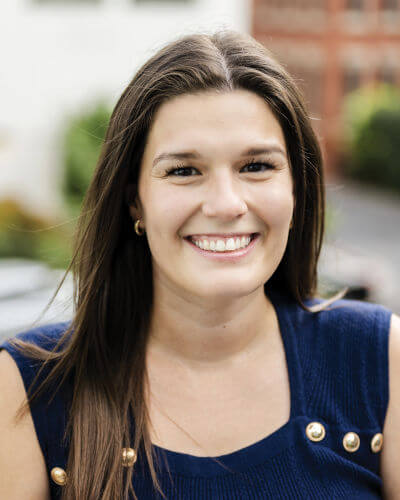
Katie Tamaro is the digital fundraising manager at Citymeals on Wheels. Reach her at ktamaro@citymeals.org.
Jessica Stober is an associate director of digital strategy at Moore. Reach her at jstober@wearemoore.com.
MEMBER SPOTLIGHT
Retired President
Communications Corp. of America
LLFW3@icloud.com
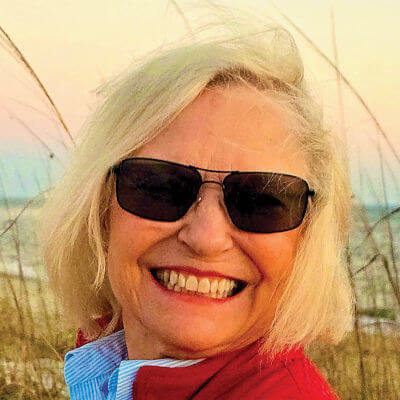
Linda L. Fisher’s introduction to direct marketing began with both family influence and early hands-on experience.
“I was inspired by my father, John Fisher, who pioneered personalized direct mail in the 1950s as president of the American Security Council,” Fisher recalled.
Her interest was deepened when she was in high school, when Fisher spent her summers opening donor mail, tracking results and writing correspondence.
Her long commitment to the sector grew from the field’s blend of creativity and strategy. She enjoyed the mix of copywriting, list targeting and data analysis.
“But it was truly the camaraderie of coworkers, clients and suppliers that made my career so enjoyable,” she said.
In 1975, Fisher joined Communications Corp. of America — which her father found in 1972 — as part of the customer service team. She then became an account executive, and then vice president in 1980. She was named president in 2018, and later negotiated the company’s sale to Moore in 2022.
Around 1980, Fisher founded Communications Corp. of America’s affiliated firm, Preferred Communications, serving as president until the company sold in 2017.
Her leadership extended internationally as well, through her service on the board of Core Direct Marketing in Dublin, Ireland.
Over the years, Fisher received multiple MAXI Awards, including recognition for the influential presidential strategy series created during former President Ronald Reagan’s reelection campaign.
A pioneer in statistical modeling, she introduced data-driven targeting to nonprofits, such as the American Red Cross, and to political clients such as the Republican National Committee. Her work helped organizations expand donor files through strategic lists, tailored messaging, and predictive modeling — while saving clients millions through negotiated pricing arrangements.
Beyond her professional accomplishments, Fisher has devoted time to charitable service. Among her many volunteer roles, serving as an announcer for the Special Olympics World Games stands out as a cherished highlight.
Where did you go to school, and what is your degree in?
I graduated twice from the University of Virginia — earning a B.A. with distinction and an MBA. from UVA’s Colgate Darden Graduate School of Business.
Tell us about your volunteer experiences with DMAW.
It’s been a privilege to work as a DMAW board member, treasurer, secretary, vice president and president — as well as board member and vice president of DMAW’s Educational Foundation. I currently volunteer with the steering committee for the Hall of Leaders.
Describe your life in six words.
The best is yet to come!
QUICK TAKES
 FILM: “Doctor Zhivago”
 RESTAURANT: SAAP, a Laotian restaurant in Cary, North Carolina.
 BOOK: My favorite authors are Ernest Hemingway and Alexander McCall Smith.
 LEISURE INTERESTS: Painting, ceramics, reading, cross-country skiing and spending time with family and friends.
Direct Impact is the member exclusive magazine from the DMAW, login to read the full issue and access the archives. Not a member yet? Join today to get every issue and more!
